Epoxy Garage Floor: Complete Guide to Durable & Stylish Coatings
If you’re looking to transform your garage into a cleaner, stronger, and more stylish space, an epoxy garage floor is one of the best upgrades you can make. Epoxy is not just about looks—it provides long-term protection, resistance to chemicals, and an easy-to-clean surface that adds value to your home. In this complete guide, we’ll cover the different types of epoxy coatings, their benefits, installation tips, costs, and maintenance to help you choose the best option for your garage.
What is an Epoxy Garage Floor?
Epoxy coating is a resilient and versatile material designed to protect your garage floor from wear, stains, and damage. As explained by Concrete Network, these coatings also improve surface strength and enhance the appearance of concrete floors.
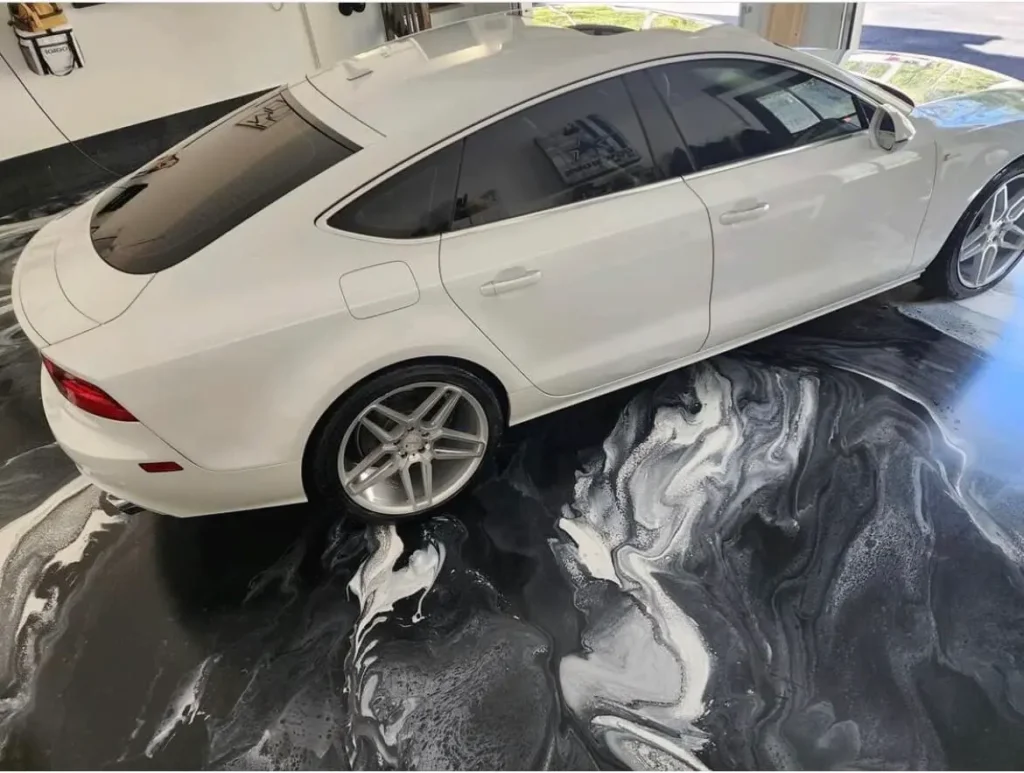
Types of Epoxy Coatings for Garage Floors
Choosing the right type of epoxy coating depends on your garage’s condition, use, and style preferences. Here are the most common options:
Perfect for damaged or uneven concrete, this option creates a smooth and uniform epoxy garage floor. Available in many colors, it’s ideal for homeowners who want both aesthetics and strength.
Benefits
- Covers imperfections in the concrete
- High durability
- Easy maintenance
Best Uses
Residential garages, warehouses, showrooms
Anti-Static Epoxy Floors
Designed to reduce static electricity, these garage epoxy floors are perfect for spaces where sensitive equipment or flammable materials are present.
Benefits
- Increased safety
- Protects against electrical discharges
Best Uses
Laboratories, specialized garages, pharmaceutical plants
Epoxy Mortar Floors
The strongest type of epoxy, epoxy mortar floors are highly resistant to chemicals and heavy traffic. This makes them excellent for commercial or mechanical garages.
Benefits
- Maximum durability
- Repairs cracks and damaged surfaces
- Chemical resistance
Best Uses
Mechanical garages, factories, industrial kitchens
This garage epoxy flooring combines epoxy resin with quartz grains, creating a durable, slip-resistant, and decorative surface.
Benefits
- Slip-resistant and safe
- Decorative look
- Wear-resistant
Best Uses
High-traffic garages, locker rooms, restrooms
Flake floors add decorative chips into the coating for a unique design. They are popular for creating a vibrant garage epoxy flooring with added slip resistance.
Benefits
- Custom appearance
- Slip-resistant
- Easy to clean
Best Uses
Residential garages, clinics, sports centers
Why Choose an epoxy floor for garages
Besides durability, an epoxy floor coating adds value to your home, keeps the space cleaner, and requires minimal maintenance. Professional installation ensures the coating bonds correctly, preventing future cracks or peeling.
Benefits of Choosing an Epoxy Garage Floor
- Durability: Withstands cars, tools, and heavy use.
- Chemical resistance: Protects against oil, gasoline, and household cleaners.
- Low maintenance: Easy to clean with a mop or broom.
- Enhanced appearance: Gives your garage a professional finish.
- Added home value: Makes your property more appealing to buyers.
How Much Does an Epoxy Garage Floor Cost?
The cost of installing an garage floor epoxy coating depends on the size of your garage, the type of epoxy, and whether you hire professionals or do it yourself.
- Basic epoxy coating: $3 to $5 per square foot
- Decorative flake or quartz epoxy: $5 to $7 per square foot
- High-performance epoxy mortar: $7 to $12 per square foot
FAQs About Epoxy Garage Floors
How long does an epoxy garage floor last?
An epoxy garage floor typically lasts 15–25 years in residential garages and 10–15 years in commercial spaces. Proper surface preparation, installation, and maintenance are crucial for durability.
Can I install an epoxy garage floor myself?
DIY epoxy garage floor kits exist, but professional installation is strongly recommended. Many DIY projects fail due to poor concrete preparation or application mistakes, which reduce floor performance.
Is an epoxy garage floor slippery when wet?
A smooth epoxy garage floor can become slippery when wet. To improve safety, installers often add anti-slip materials like quartz sand or aluminum oxide to the coating system.
How much does an epoxy garage floor cost?
The cost of an epoxy garage floor ranges from $3–15 per square foot with professional installation, depending on the system and finish. DIY kits cost less ($1–3 per square foot) but have higher failure risks.
What's the difference between an epoxy garage floor and polyurethane coating?
An epoxy garage floor provides excellent adhesion and chemical resistance but can yellow under UV light. Polyurethane coatings offer better UV stability and flexibility, making them ideal for outdoor areas, though usually more expensive.
Get Your Epoxy Garage Floor Installed Today
Ready to upgrade your garage? Contact our experts for a professional epoxy garage floor installation and enjoy a surface that lasts for years. Request your free quote now!
Benefits of Professional Installation:
- Precise application
- Use of high-quality materials
- Guaranteed durability